
Long before kids can explain heritage or identity, they're already soaking it up through everyday life.
They learn through bedtime stories, the meaning behind their names, family recipes, languages spoken at home, how grandparents describe the past, traditional songs, celebration clothes, books, and old family photos.
In South Africa, 'heritage' often means one day a year—24 September—wearing traditional outfits. But heritage is really all the stories, traditions, memories and daily habits that help us understand who we are and where we belong.
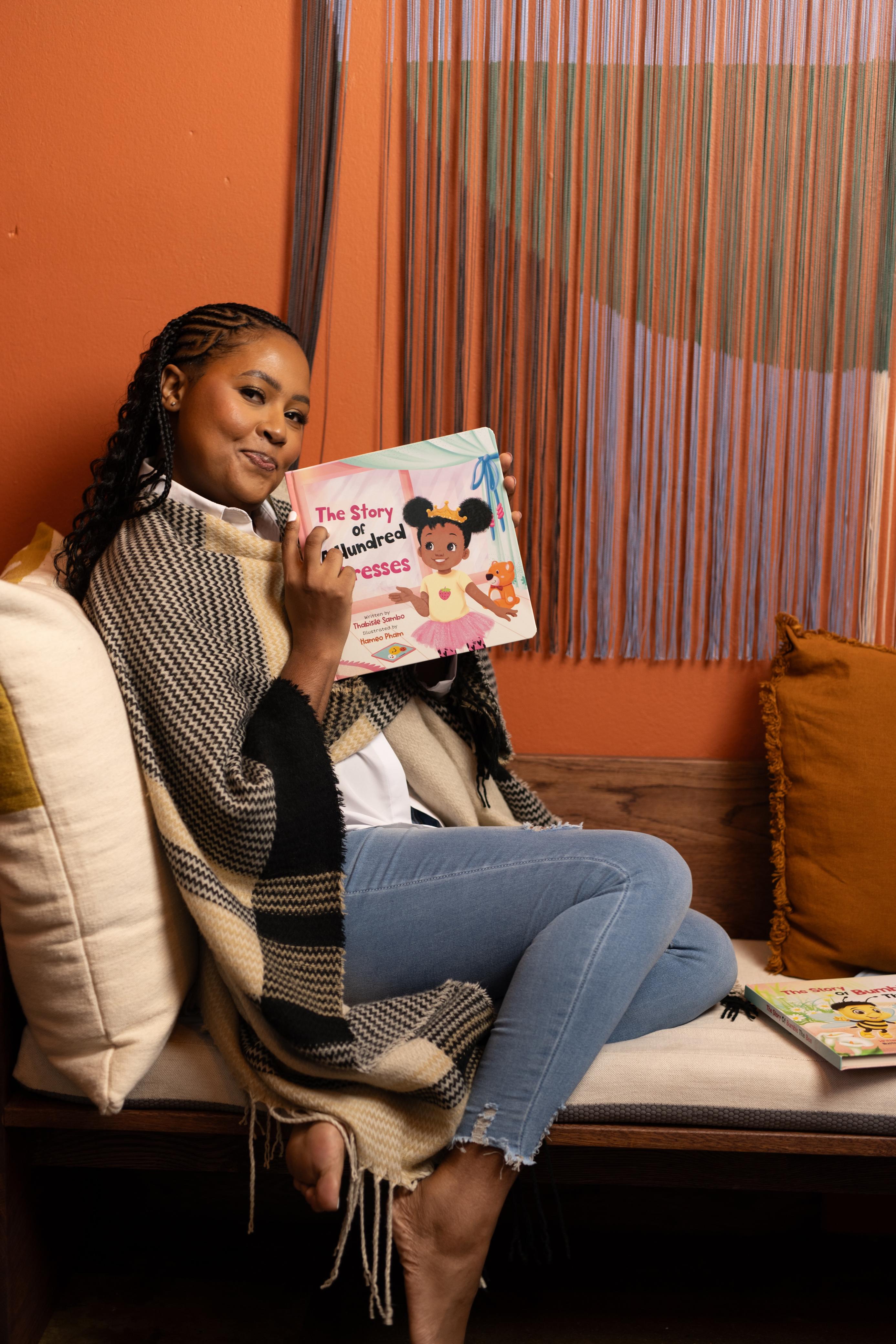
For children's author and founder of For Little People, Thabisile Sambo, books are one of the easiest ways to keep those connections strong. "Kids start figuring out who they are way before they can put it into words," Sambo says. "The stories they hear and characters they see shape that. When a child sees their hair, name, family, culture or food in a story, it tells them they belong."
That belief drives For Little People's publishing. The local house was built on the idea that children should see themselves in what they read. Sambo intentionally sought books and toys that reflected her own daughter, which eventually led her to create bedtime stories herself.
But representation shouldn't mean separation. "A good children's story lets one child see themselves while giving another child a window into a completely different life. That's also heritage – knowing who you are without thinking your way is the only way."
You can see that in The Story of a Hundred Dresses, one of For Little People's three titles currently on shelves countrywide. The interactive book follows Layla playing with animal friends while teaching counting and visual recognition. But woven into the counting are colors, patterns and clothing from five South African cultures.
"I didn't want culture to feel like a lesson," Sambo says. "I wanted it to be part of the fun. A child may think they're simply counting dresses, but they're also learning about different South African cultures."
The book reflects an important shift in children's publishing – letting culture fit naturally into stories instead of presenting it as something distant or formal. That matters because books are often one of the first ways children discover the wider world.
A child can see something familiar and feel validated. On the next page, they might encounter clothing, names or traditions they've never seen – and both experiences matter. "Heritage should give children roots and make them curious," Sambo says. "We want kids to be proud of where they come from, but also interested in other people. A child should be able to say, 'This is who I am,' and still ask: 'Tell me who you are.'"
Instead of explaining 'heritage' in abstract terms, parents can simply make it part of everyday family life.
Sambo suggests a few simple habits families can carry well past Heritage Day:
**Tell the family stories.** Kids love hearing what their parents and grandparents were like when they were young.
**Explain their names.** Tell children who chose their name, what it means and why it was important.
**Make books part of cultural discovery.** Choose stories where children can see themselves, but also books that introduce them to other South African experiences.
**Invite older generations into the conversation.** Grandparents and relatives often carry family history that may never be written down unless someone asks.
**Let 'heritage' live in everyday life.** Language, music, hairstyles, recipes, games and family traditions can all become opportunities to tell children more about where they come from.
"Heritage Month gives parents an opportunity not just to tell children why they should be proud, but to share stories that help them understand why," Sambo concludes. "Children need to encounter culture and traditions regularly before they can adopt them."